
Decoding Autism Spectrum Disorder
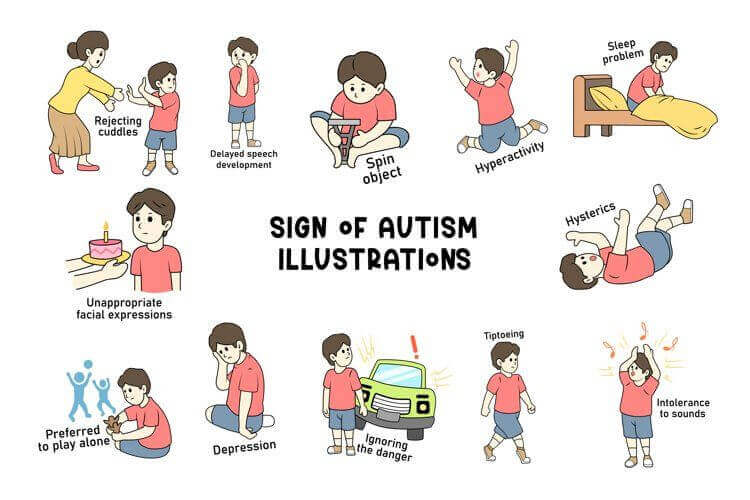
Autism is a spectrum of disorders with a common set of symptoms rather than a single disorder. Every person on the autism spectrum struggles to some extent with communication, empathy, and social engagement. Autism is a spectrum of disorders with a common set of symptoms rather than a single disorder. Every person on the autism spectrum struggles to some extent with flexible behaviour, empathy, and social engagement. But from person to person, the severity of the disorder and the mix of symptoms varies greatly. In fact, two children with the same disorder may behave and function extremely differently from one another.
You could hear phrases like "high-functioning autism," "atypical autism," "autism spectrum disorder," and "pervasive developmental disorder" if you're a parent of a child on the autistic spectrum. These terms can be difficult to understand not only because there are so many of them but also because different parents, therapists, and medical professionals may use them differently
Regardless of what doctors, educators, and other experts refer to the autism spectrum disorder as, your child's specific needs are what matter most. You cannot determine your child's specific issues based on a diagnosis. The most beneficial thing you can do is find a solution that caters to your child's needs rather than concentrating on what to term the issue. To start receiving treatment for your child's symptoms, you do not need a diagnosis. Remember that just because your child exhibits a few symptoms of autism does not necessarily indicate that they have autism spectrum disorder. Multiple symptoms that impair a person's capacity for learning, play, exploration, and communication are used to diagnose autism spectrum disorder.
How can exercise Help Children with Cerebral Palsy?
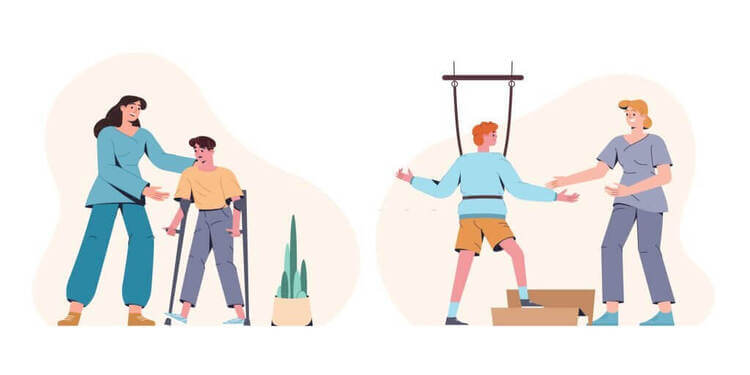
Children with cerebral palsy can still exercise even if they may have physical restrictions. Exercise is frequently quite beneficial for kids with cerebral palsy. By exercising, they can increase their stamina, muscle strength, and flexibility. Additionally, it gives children a chance to socially engage with other children, which might help them gradually gain confidence. Exercise regularly improves self-esteem and reduces anxiety and depression. You might want to consider performing yoga, chair aerobics, or dancing if your child has been diagnosed with cerebral palsy. Kids with cerebral palsy can enjoy a variety of exercises for fun and relaxation. Some exercises could require specialised equipment, such a wheelchair or brace. One example is wheelchair basketball, which has become very popular in recent years. Some exercises could require specialised equipment, such a wheelchair or brace. One example is wheelchair basketball, which has become very popular in recent years. Physical therapy may help certain cerebral palsy sufferers. Physical therapy frequently includes exercise regimens carried out under the direction of a licensed and experienced physical therapist. Muscle stiffness or weakness are common in cerebral palsy patients, and physical therapy exercises can help.
Understanding Learning Disability in Children
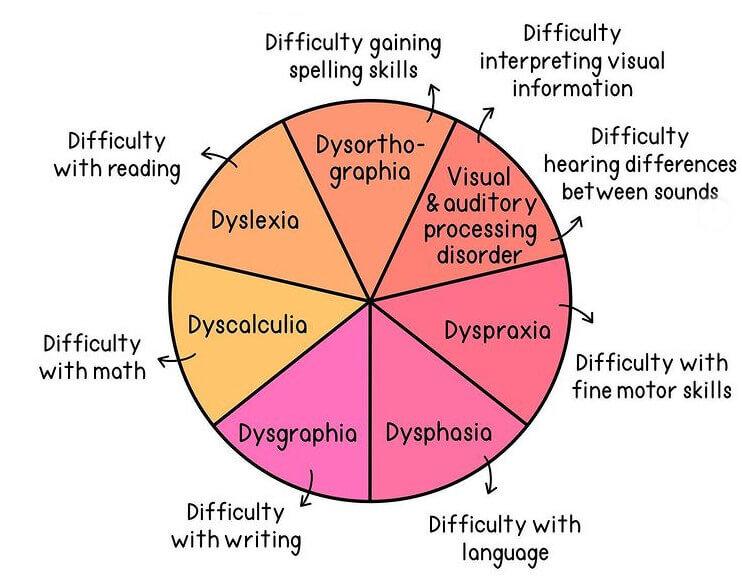
Generally speaking, when youngsters are asked about school, they sulk. While some students thrive in their schools, others struggle to stay up. This attitude is frequently seen as a lame justification for skipping class. However, if you pay close attention, it's possible that this isn't everyone's attitude and that some of them actually do have learning disabilities (LD). According to some school statistics, 5-9% of kids may have learning difficulties. It is a neurological condition that impairs the brain's capacity for information reception, processing, storage, and response. Additionally, multiple names are used to describe various types and degrees of this difficulty.
Although a learning disability may not be outwardly visible, it can be identified and managed with the use of the appropriate evaluation tools and professional support.
It is advised that you have your child's academic performance assessed in order to determine the underlying causes of any unexplainable difficulties. It might or might not be a disability, but it's better to be certain. Assessments assist in determining a child's level of academic, motor, and other proficiency. With an assessment, creating a unique and successful development plan for the child is simple. Therapy sessions may be included in this growth plan if needed.
What is Neurofeedback?
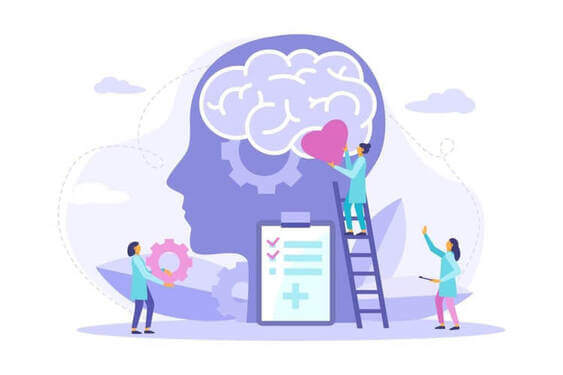
The brain is trained to work more effectively through neurofeedback. Teaching the brain to self-regulate and function properly is a treatment method for brain dysregulation issues, which ADHD is frequently regarded as having.
How does it function?
Electroencephalography (EEG), which captures minute electrical signals, is used to monitor brain activity. This evaluates the brain's functionality. This data is analysed by cutting-edge technology and sent back to the brain through a video game. This assists in identifying which brain wave frequencies should be promoted (raised) and which should be minimised (decreased). When the brain is functioning well, it receives rewards, such as the game speeding up, getting louder, or getting bigger. The opposite occurs when the brain is not functioning properly.
The brain learns to adapt for optimum brain function through this system of positive reinforcement. The brain is a very sophisticated organ that becomes better and easier at doing this over time. The only thing needed is for the person to unwind, respond to the criticism, and practise over several sessions. The recommended number of sessions is 20, which typically gives the brain enough training to continue to properly self-regulate on its own.
What is ID?

A child with intellectual disability has mental abilities that are below average (IQ 70), making it difficult for them to complete tasks at the same rate as kids their age. The two areas in question are:
- Intellectual capacity (such as learning, problem solving, limited reasoning skills)
- Adaptive performance (activities of daily life such as communication and independent living)
On the basis of intellectual functioning it can be identified as:
- Mild - With the right help, most people can learn reading, writing, and math abilities to the best of their ability.
- Moderate - Can acquire the fundamentals of reading and writing, as well as practical safety and self-help abilities and Requires ongoing monitoring
- Severe - Reading and writing challenges , Able to learn self-help techniques and habits and Require supervision for activities of daily living
- Profound - Demands a lot of support and Communication difficulties
The three domains may be based on adaptive functioning as follows:
Language, reasoning, reading, knowledge, writing, memory, and maths are all conceptual domains.
Social domain are Friendship formation and maintenance, interpersonal relationships, and empathy.
Personal care, work responsibilities, finances, task organisation, and recreation are examples of practical
domains.